

Neptune’s Borough Kitchens: When a Kitchen Chooses to Behave Like Furniture
In November of 2024, I traveled to London to work with a client. Between meetings, I did what I always do in cities I love, I walked, wandered, and paid attention to the details that make everyday life feel considered.
That’s when I first encountered brand Neptune, and what stood out to me were their thoughtfully designed and unique kitchen cabinetry lines.
What struck me immediately was how different they felt. Not trend-driven. Not performative. They felt settled. Calm. Thoughtful.
But it was only after spending time with their newest kitchen line, Borough, that I realized something more interesting was happening.
A Quiet but Radical Shift
Historically, Neptune’s cabinetry has used a baseboard-like plinth, a detail that lends weight, permanence, and architectural grounding. It’s a move that makes kitchens feel built-in, intentional, and lasting.
Borough does the opposite.
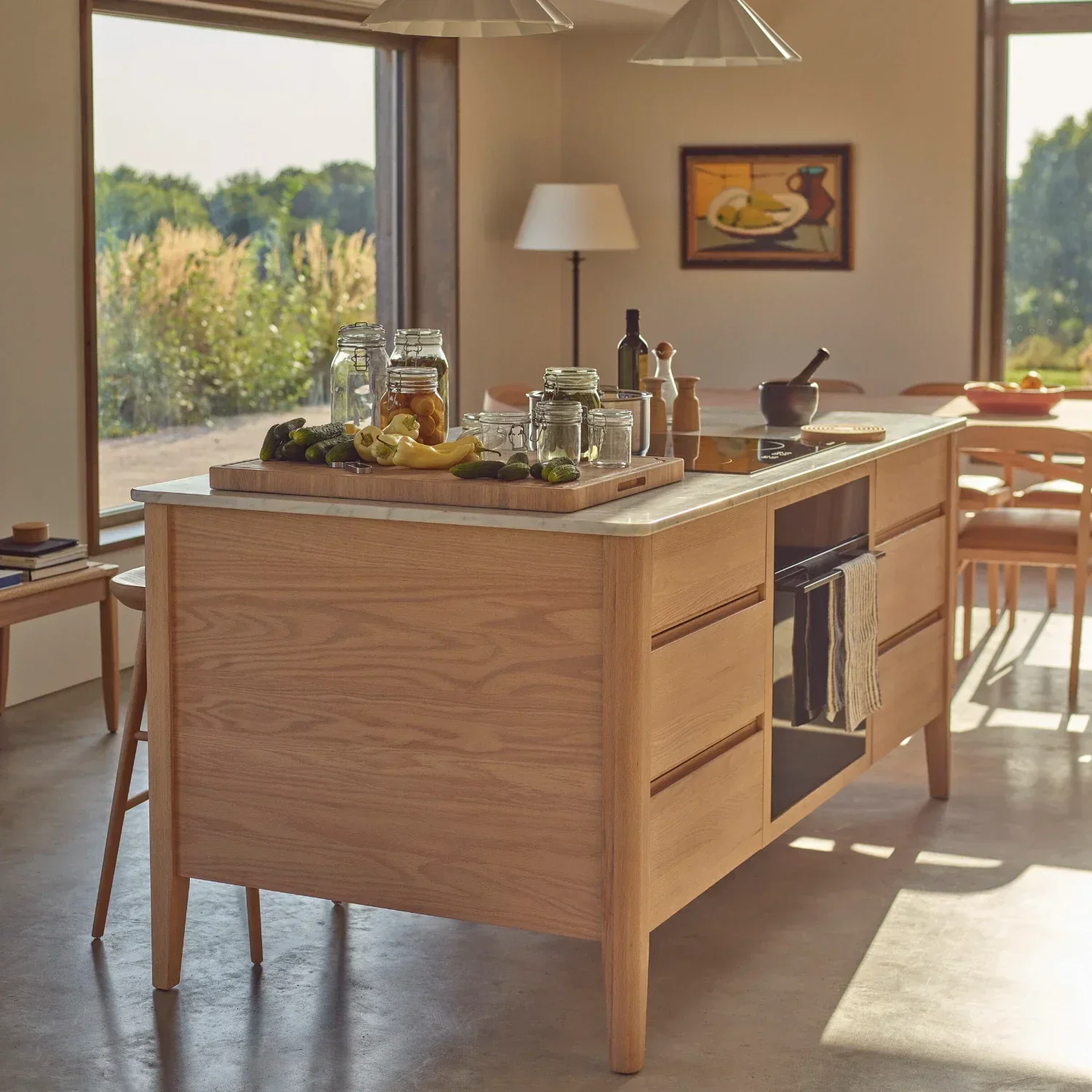
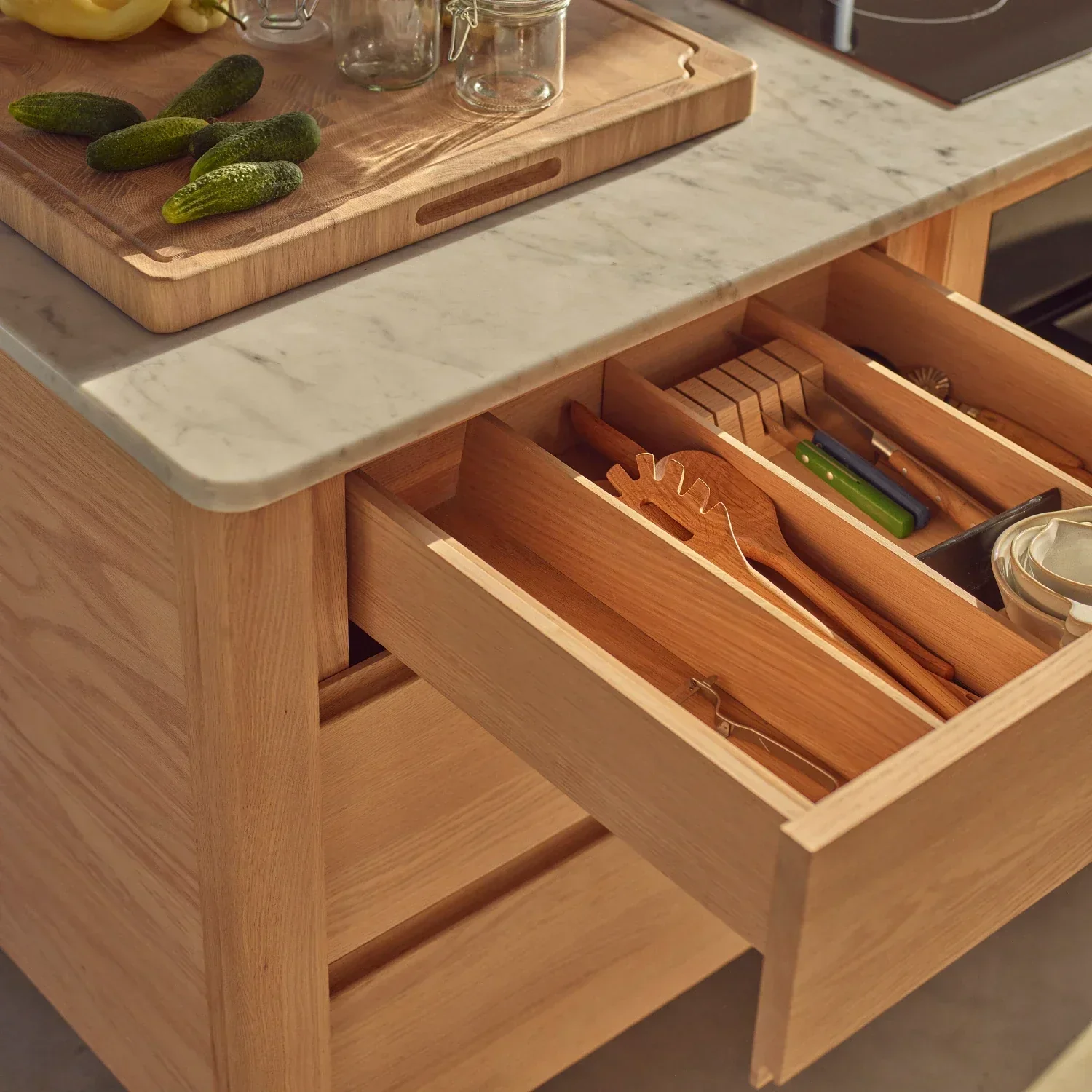
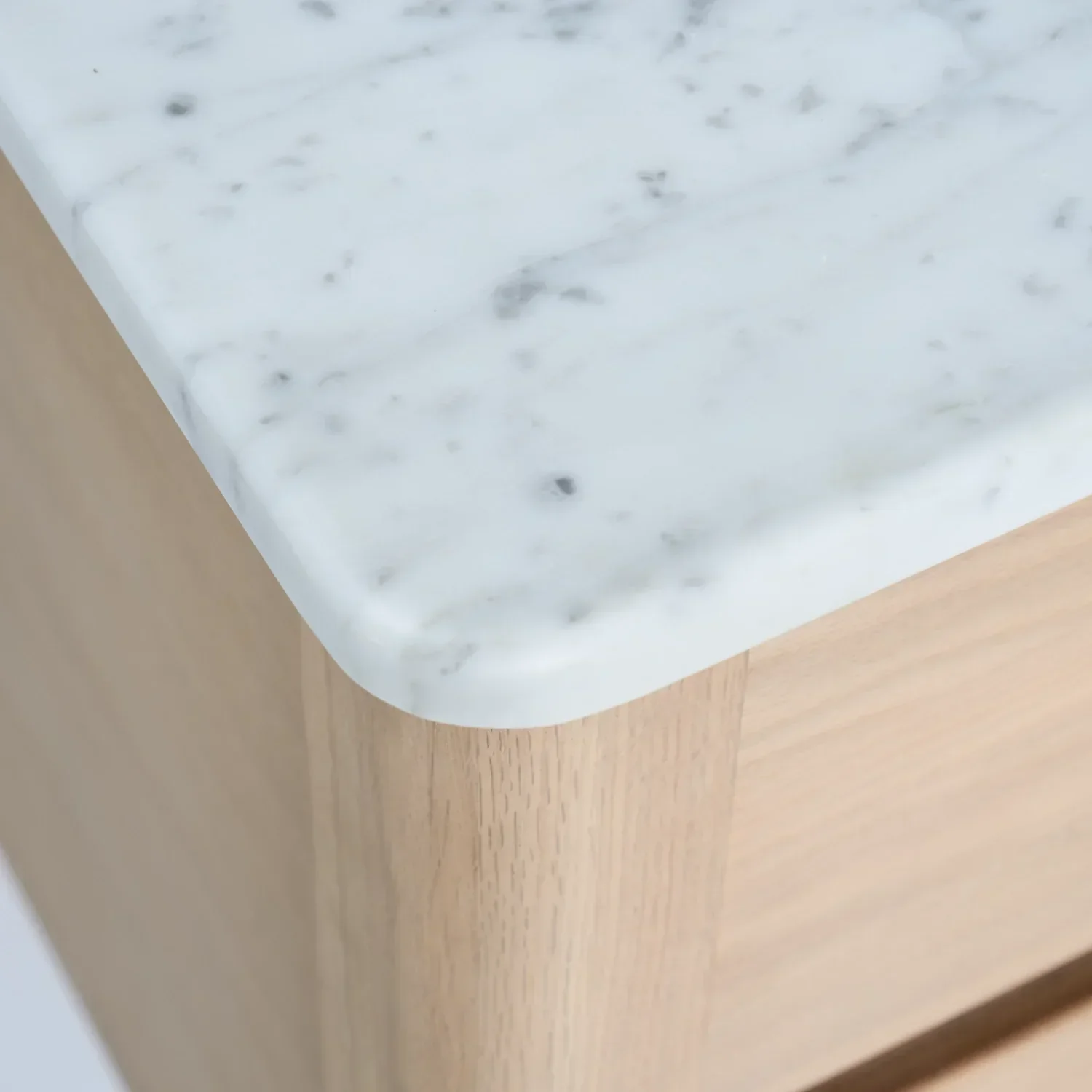
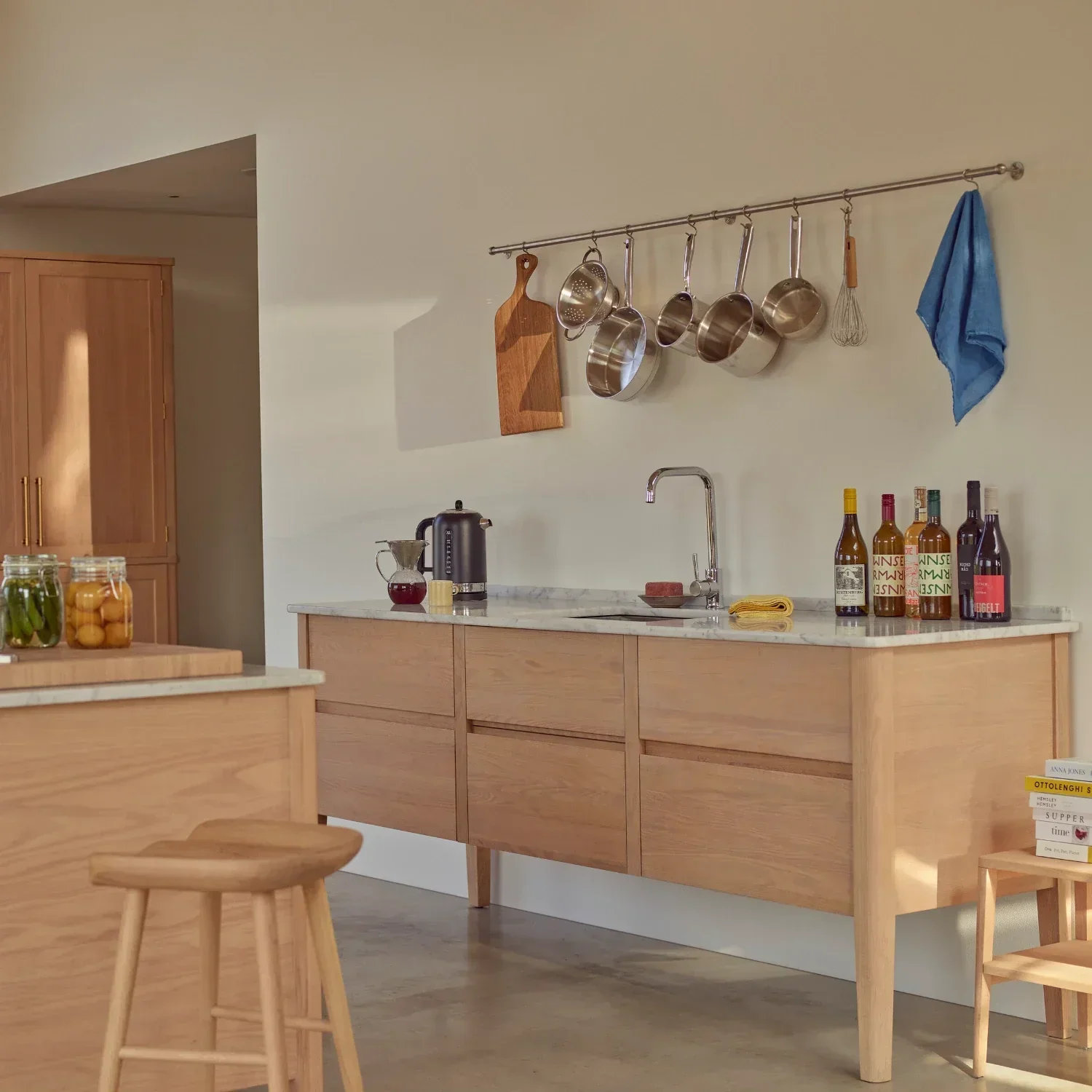
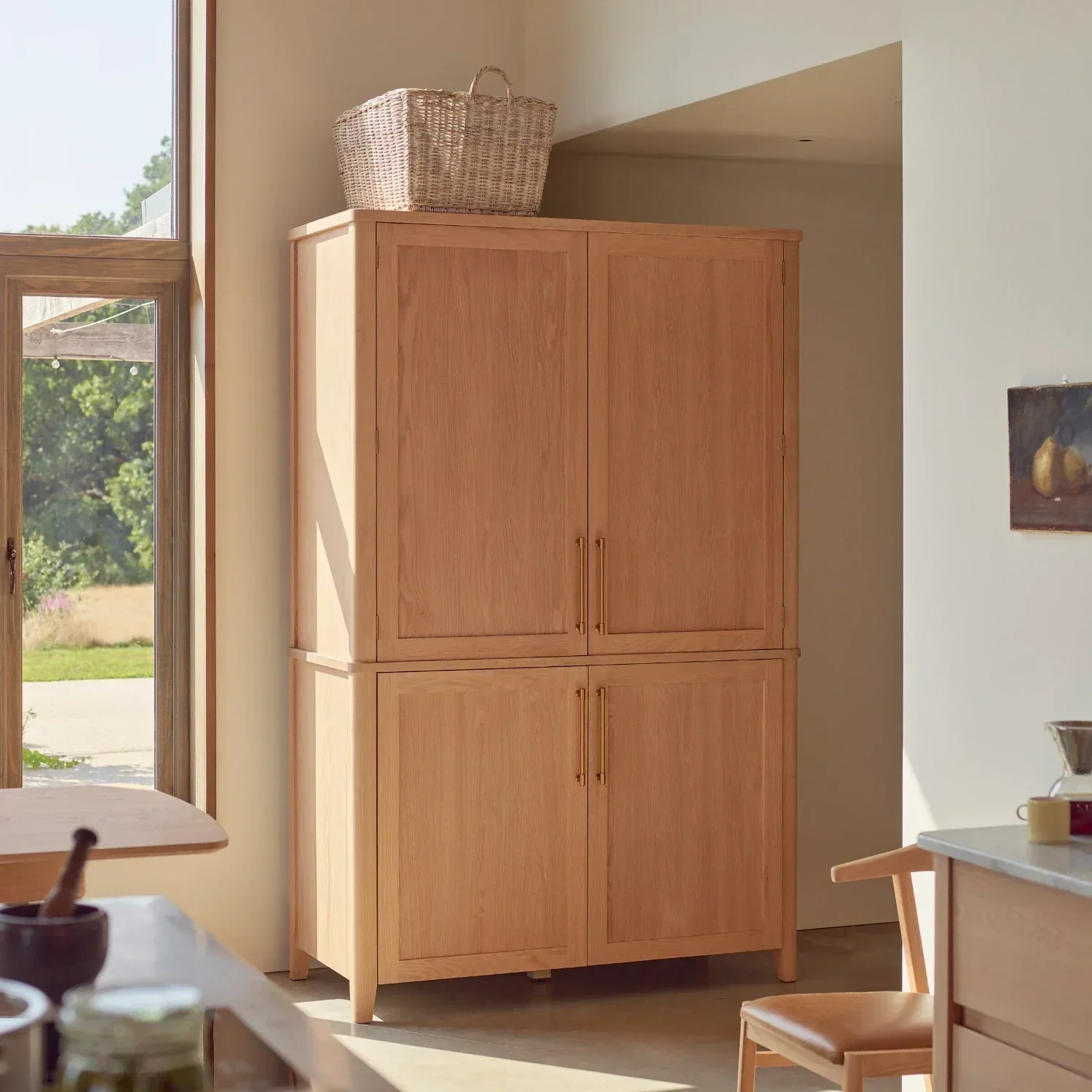
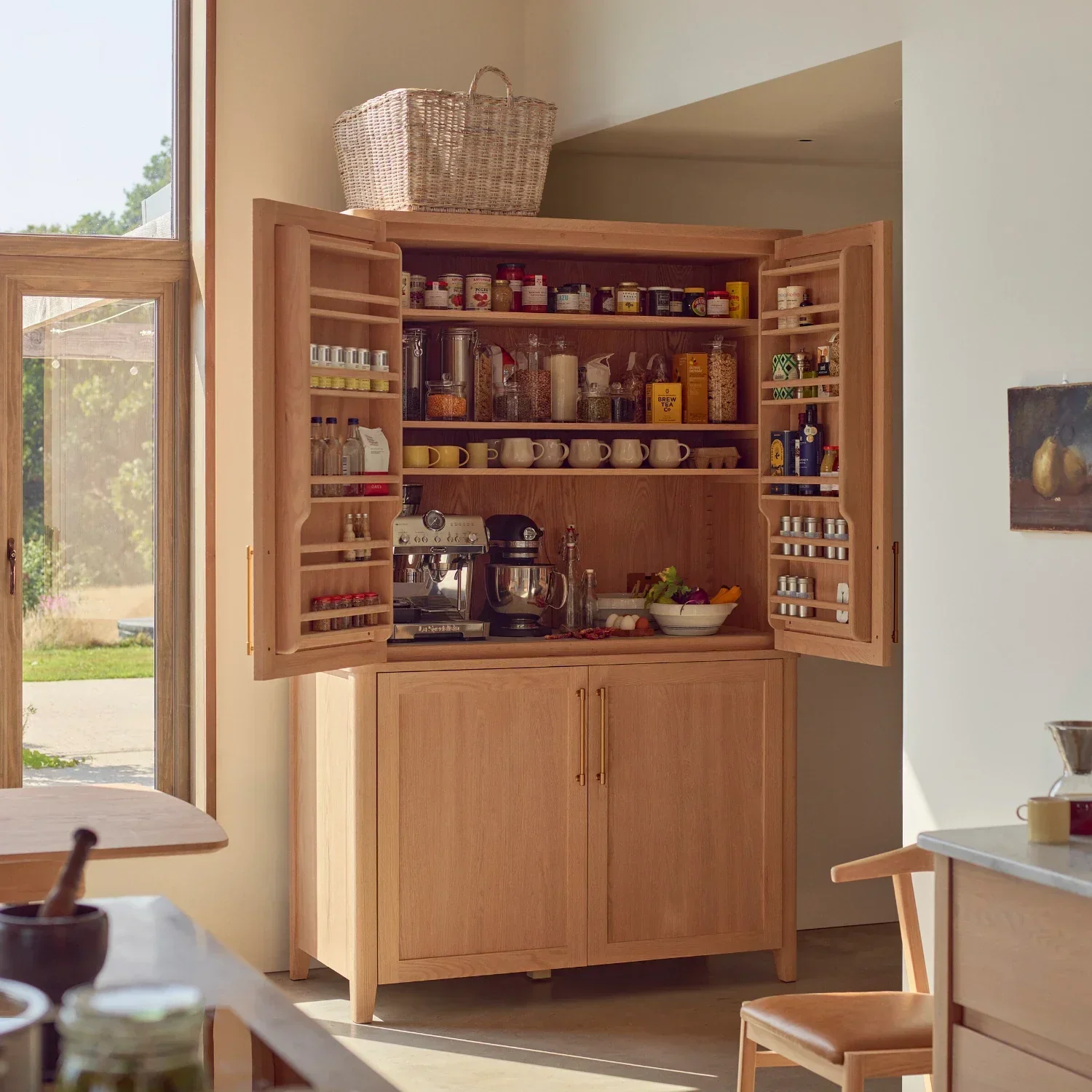
This collection completely steps away from that baseboard language and instead places cabinetry on slender legs, allowing the pieces to float lightly within the space. The result is subtle but profound: the kitchen no longer reads as fixed millwork. It reads as furniture.
And that distinction matters.
By removing visual permanence, Borough suggests that a kitchen is not a static installation, but a collection of well-made pieces that support daily life; adaptable, inhabitable, and human in scale.
From Installation to Inhabitation
When cabinetry behaves like furniture, the room changes.
You see the floor plane.
You feel lightness.
You understand the kitchen as part of the living space, not a utility zone carved out of it.
This approach makes particular sense in:
Guest houses
ADUs
Pieds-à-terre
Smaller primary homes
In these environments, permanence isn’t about weight, it’s about fit. Borough kitchens don’t dominate a room.
They participate in it.
Integrated Appliances, Disappearing Utility
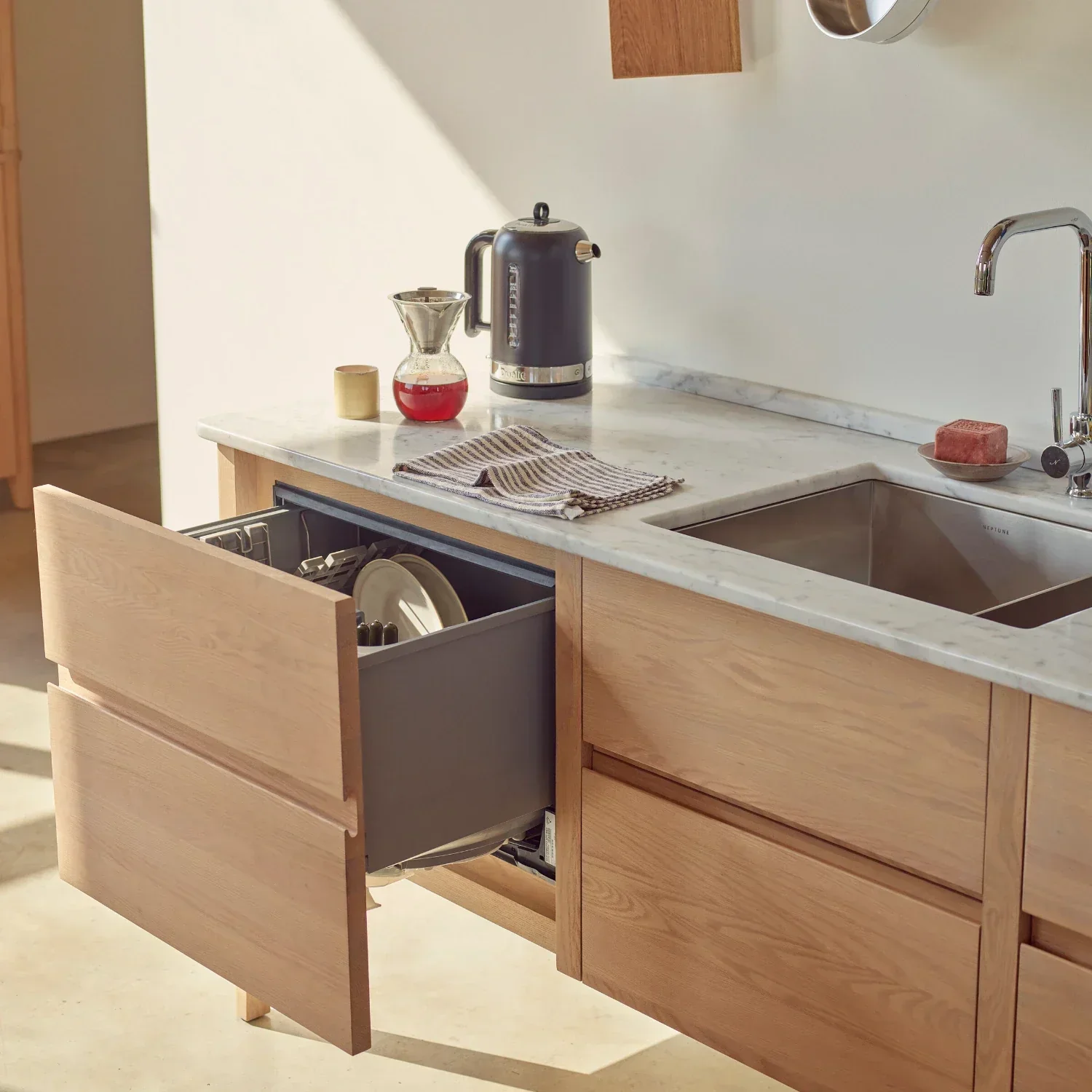
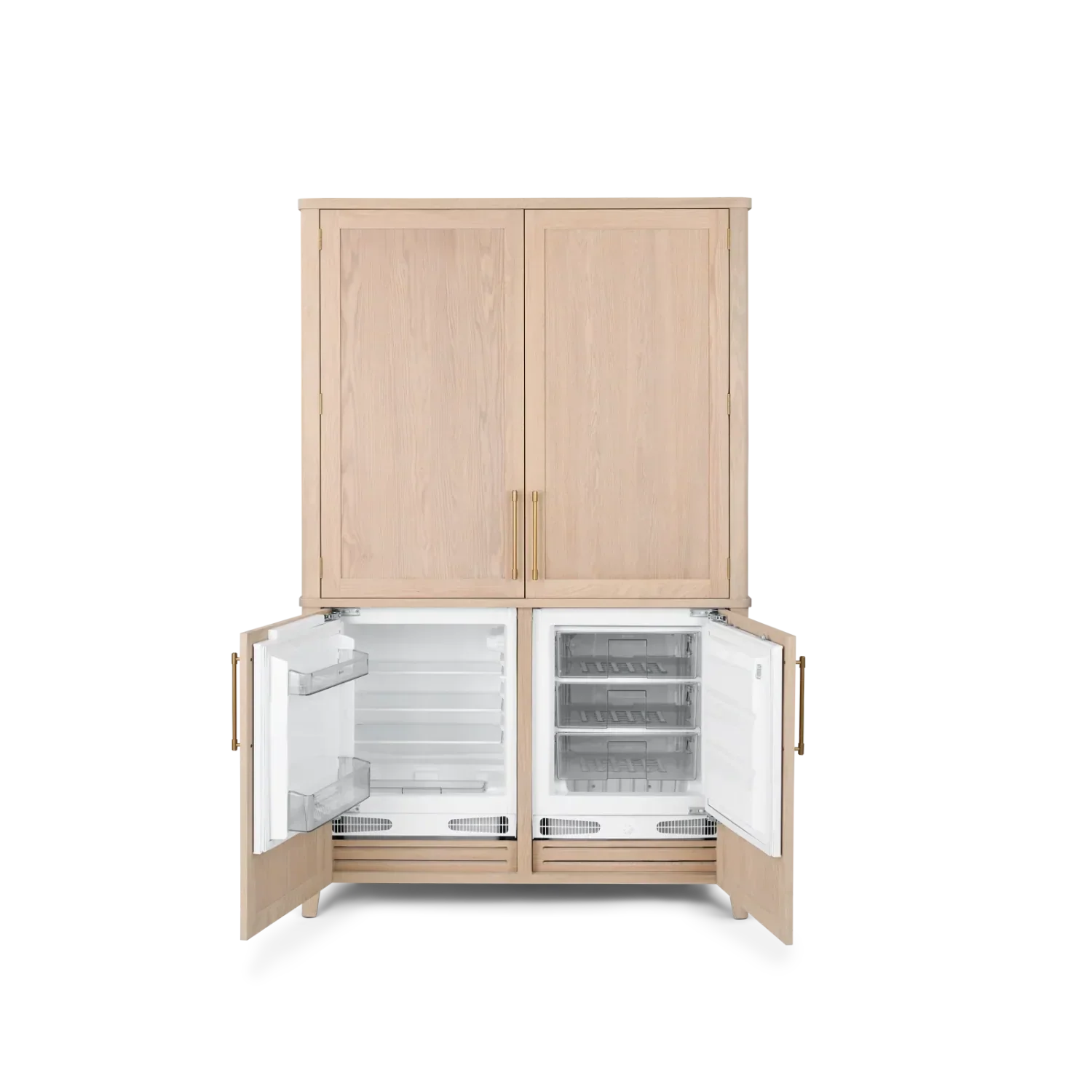
Borough continues Neptune’s commitment to fully integrated appliances, refrigerators, freezers, and dishwashers tucked quietly behind oak fronts.
But here, the integration feels different.
Rather than reinforcing the idea of a “built-in system,” the appliances disappear so the furniture form can take precedence. What remains is a kitchen that feels calm, legible, and unburdened by technology.
The effect is a quieter backdrop for daily rituals; cooking, gathering, lingering.
Designed for Human-Scale Living
This way of thinking aligns naturally with how many European homes, and cities, function.
Smaller refrigerators.
Less bulk storage.
More frequent engagement with food, markets, and neighbors.
When your neighborhood is walkable, there’s no need to warehouse groceries. Kitchens become spaces of daily interaction rather than logistical hubs.
Borough feels designed for that rhythm, one rooted in proximity, routine, and restraint.
A Kitchen That Knows Its Place
What I appreciate most about the Borough collection is its confidence.
It doesn’t try to prove permanence through mass.
It doesn’t rely on architectural heaviness to feel important.
Instead, it acknowledges that kitchens, like the lives lived around them, evolve. By behaving like furniture rather than fixtures, Borough creates space for adaptability, and for belonging.
For us at Studio Faverty, that idea resonates deeply.
We believe homes, and kitchens especially, should feel:
Calm rather than commanding
Considered rather than oversized
Part of daily life, not set apart from it
Borough captures that philosophy beautifully. It’s a reminder that sometimes the most meaningful design choice is knowing when not to anchor something forever.
