

Why Human-Scale Homes Feel Better to Live In
I believe human-scale homes feel better to live in, not in theory, but in practice.
I know this because our family of four spent a month living in a one-bedroom walk-up apartment in Berlin.
By American standards, it was small.
By every other measure, it was one of the best homes we’ve lived in.
A Month in Berlin Changed How I Think About Space
The apartment had:
One bedroom
A small bathroom
A compact European kitchen with a mini refrigerator
And one generously sized living room that held a dining table, a couch, an entertainment area, and a small entry that functioned as a mud room

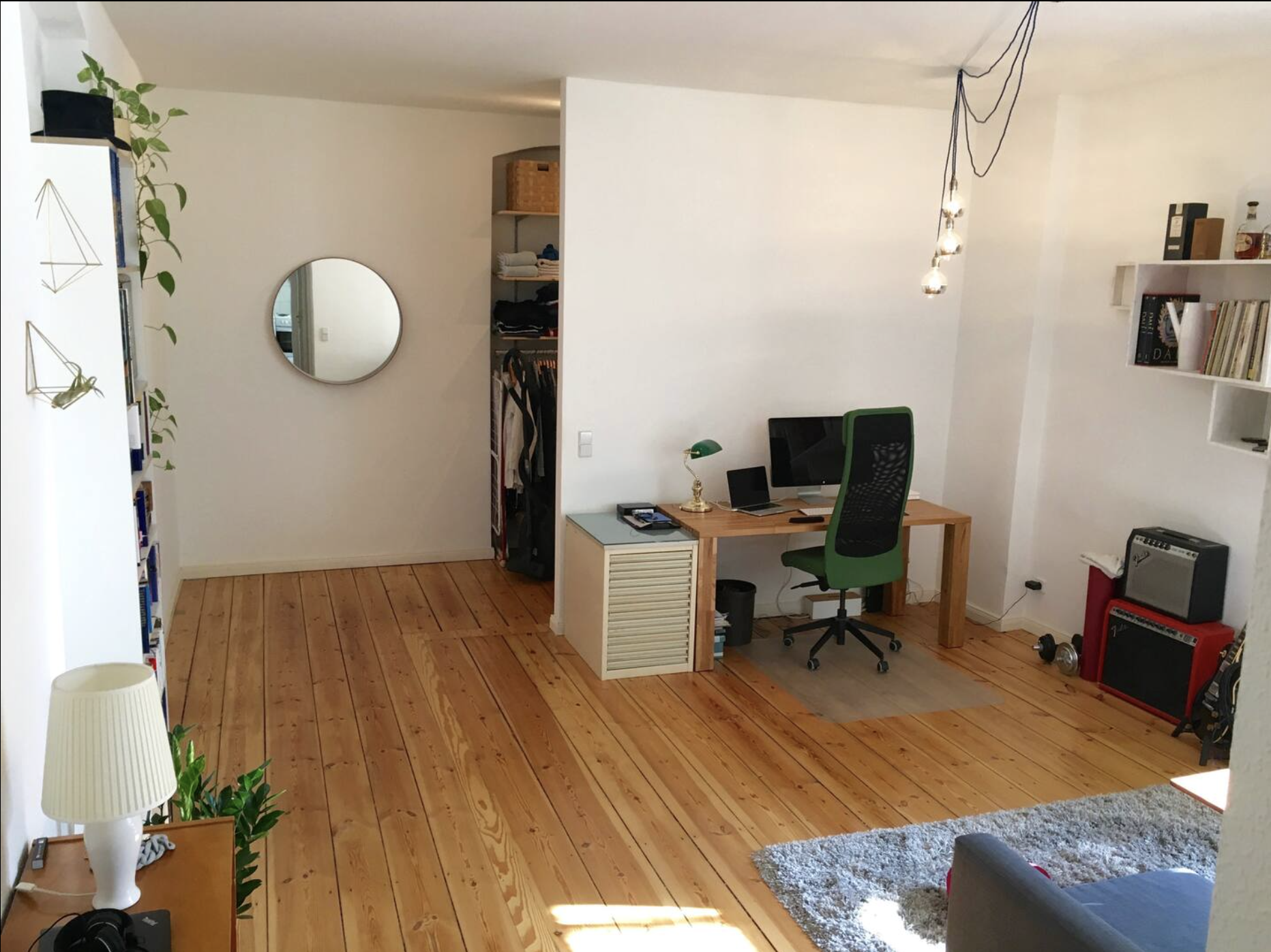
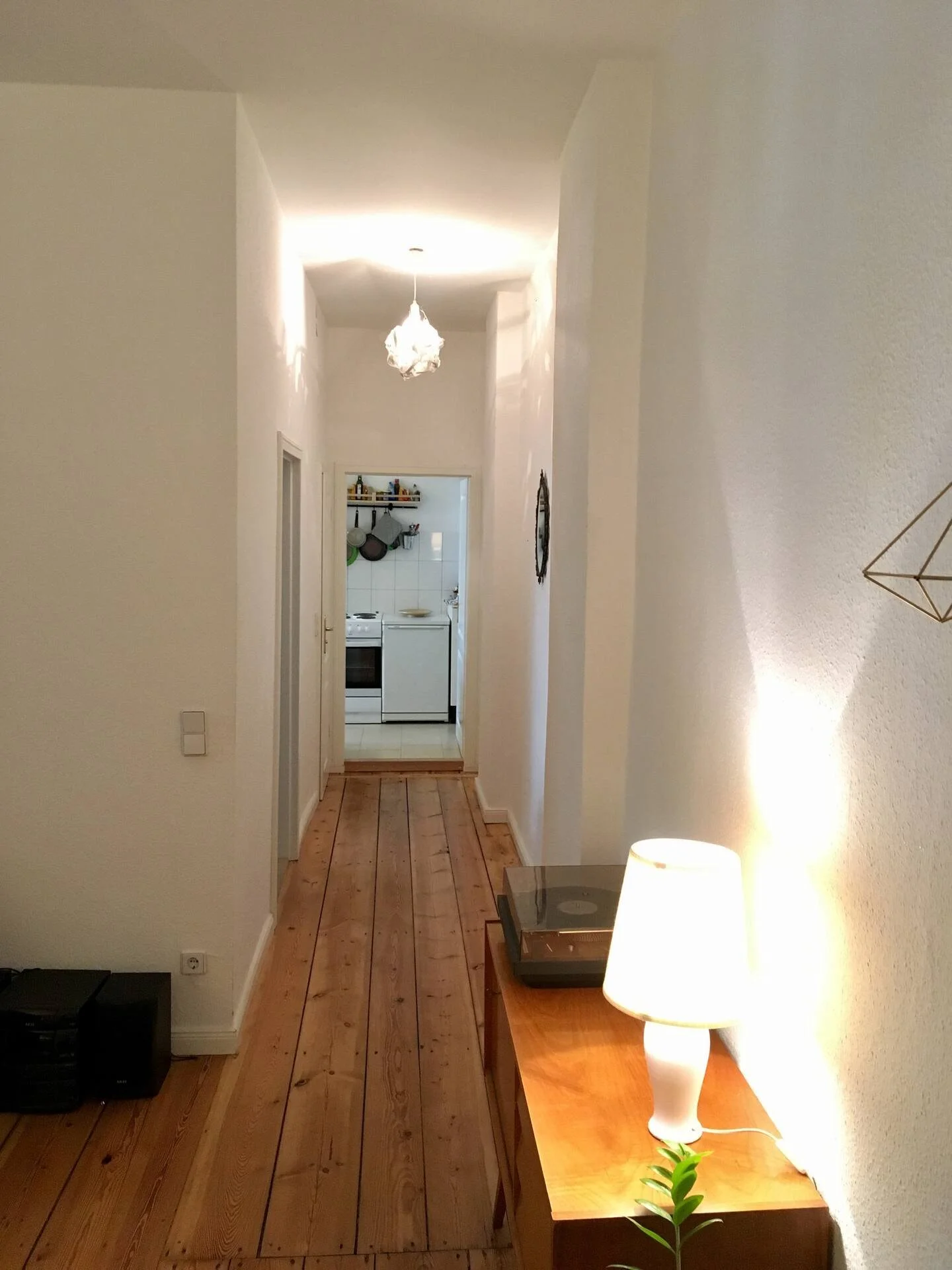
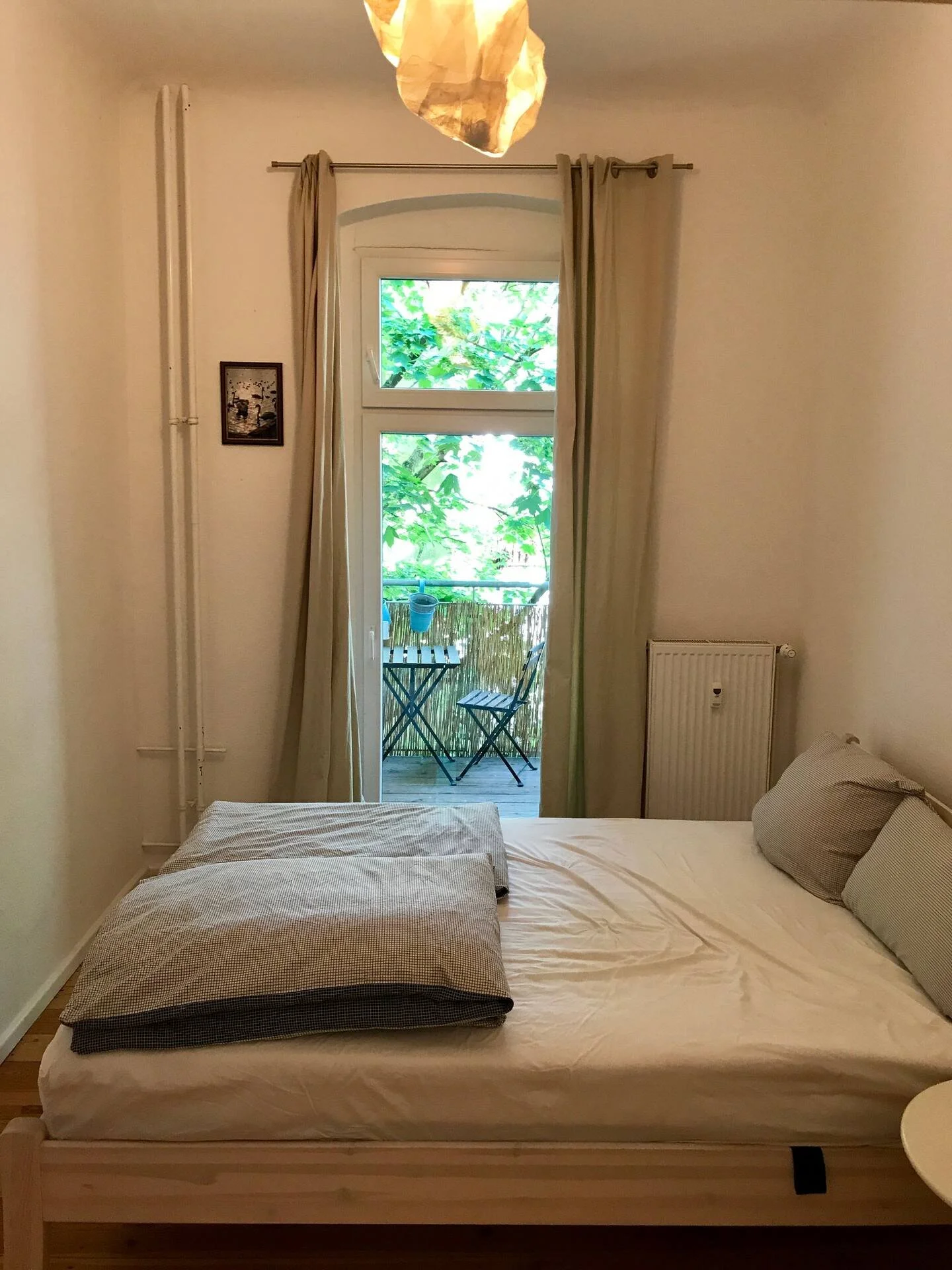
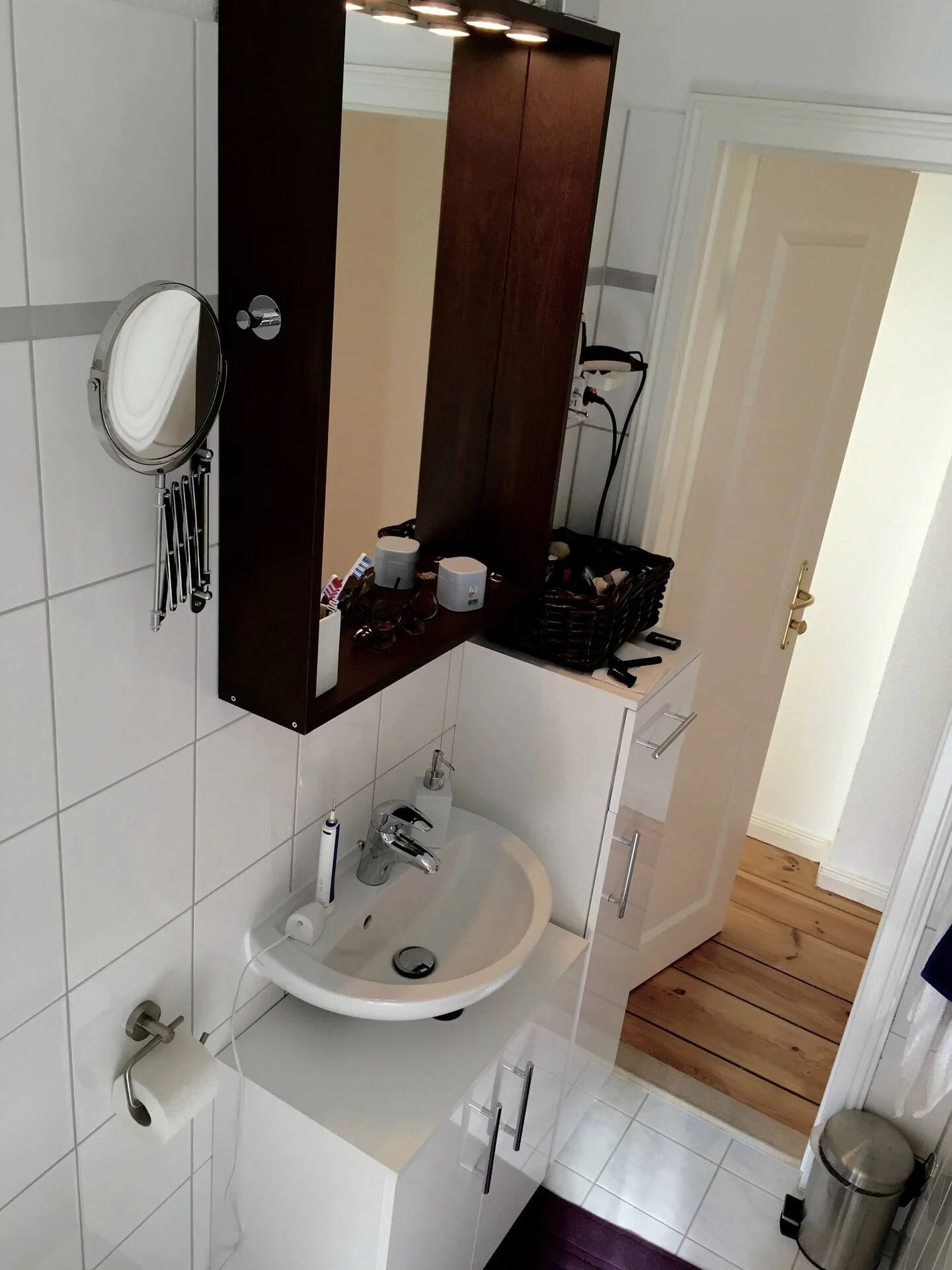
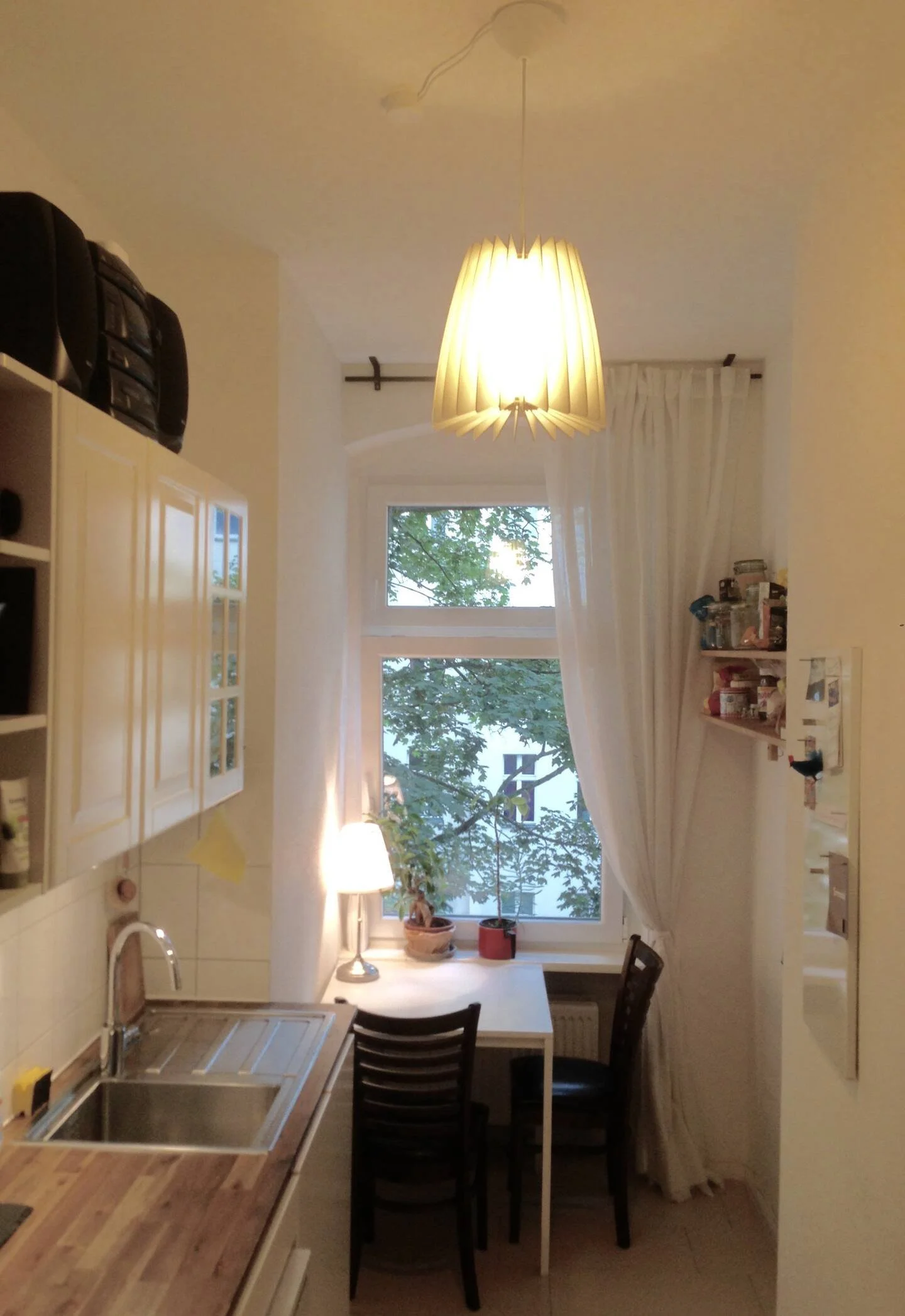
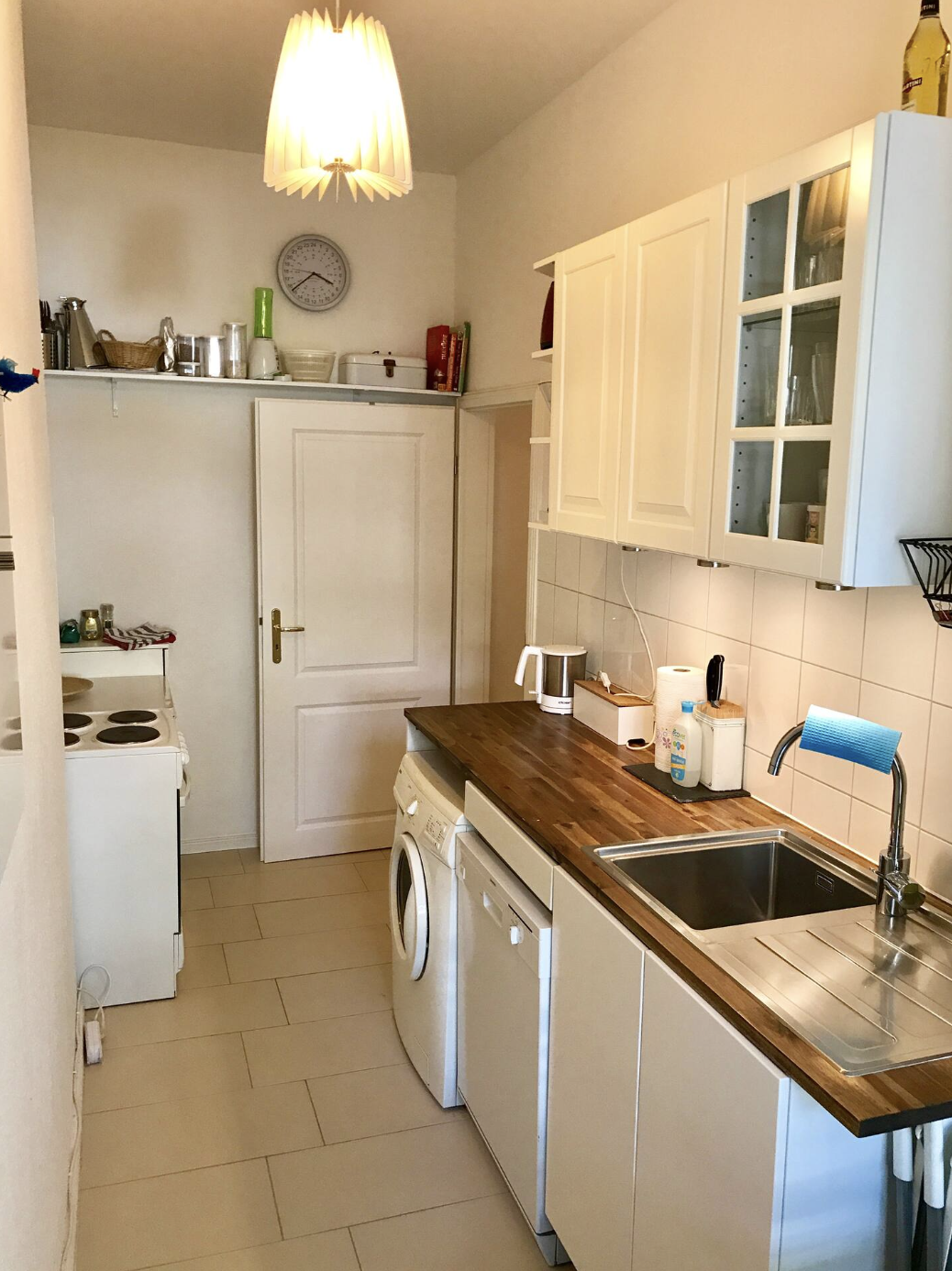
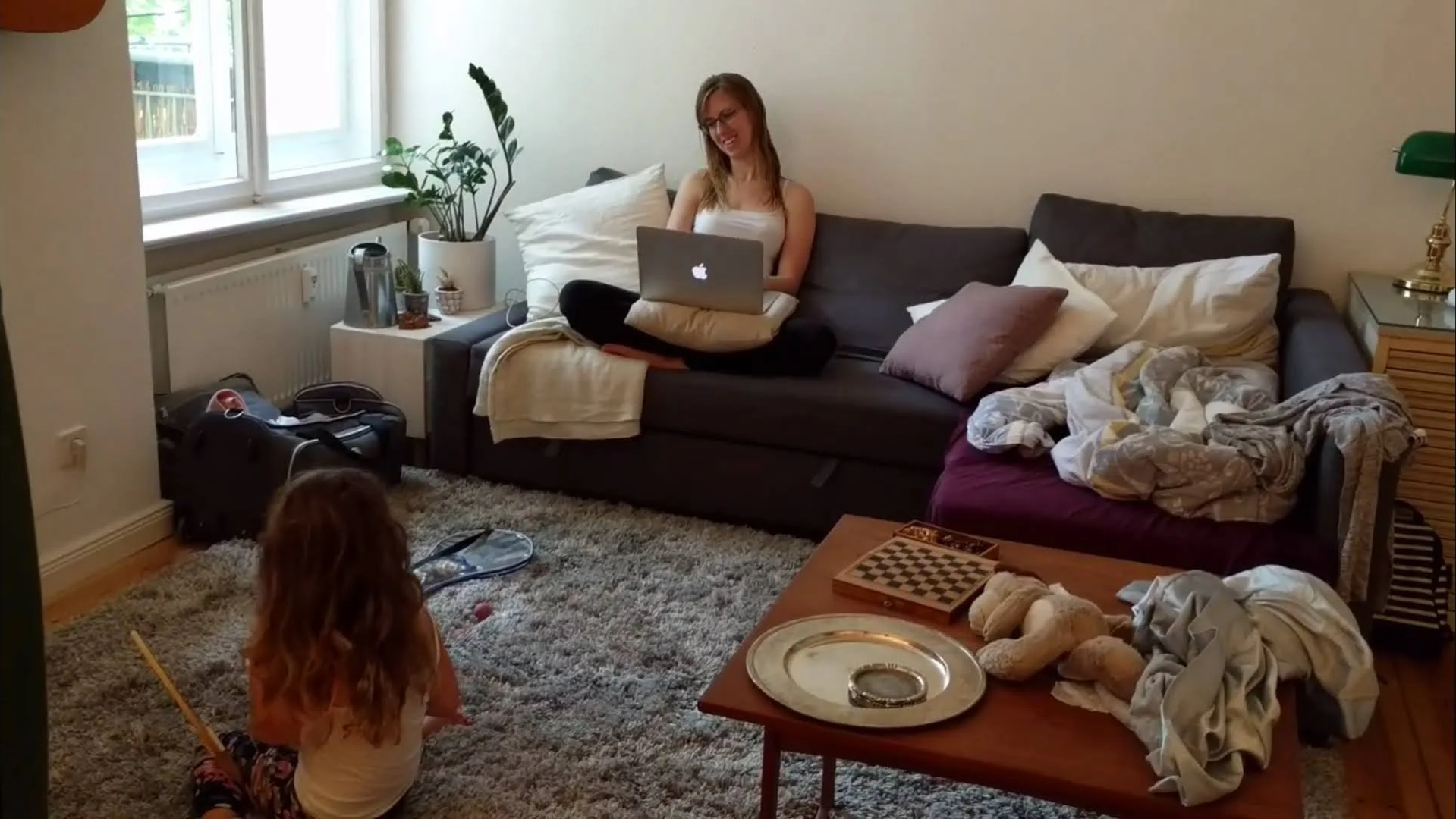
There was no excess. No unused rooms. No storage for things we didn’t need.
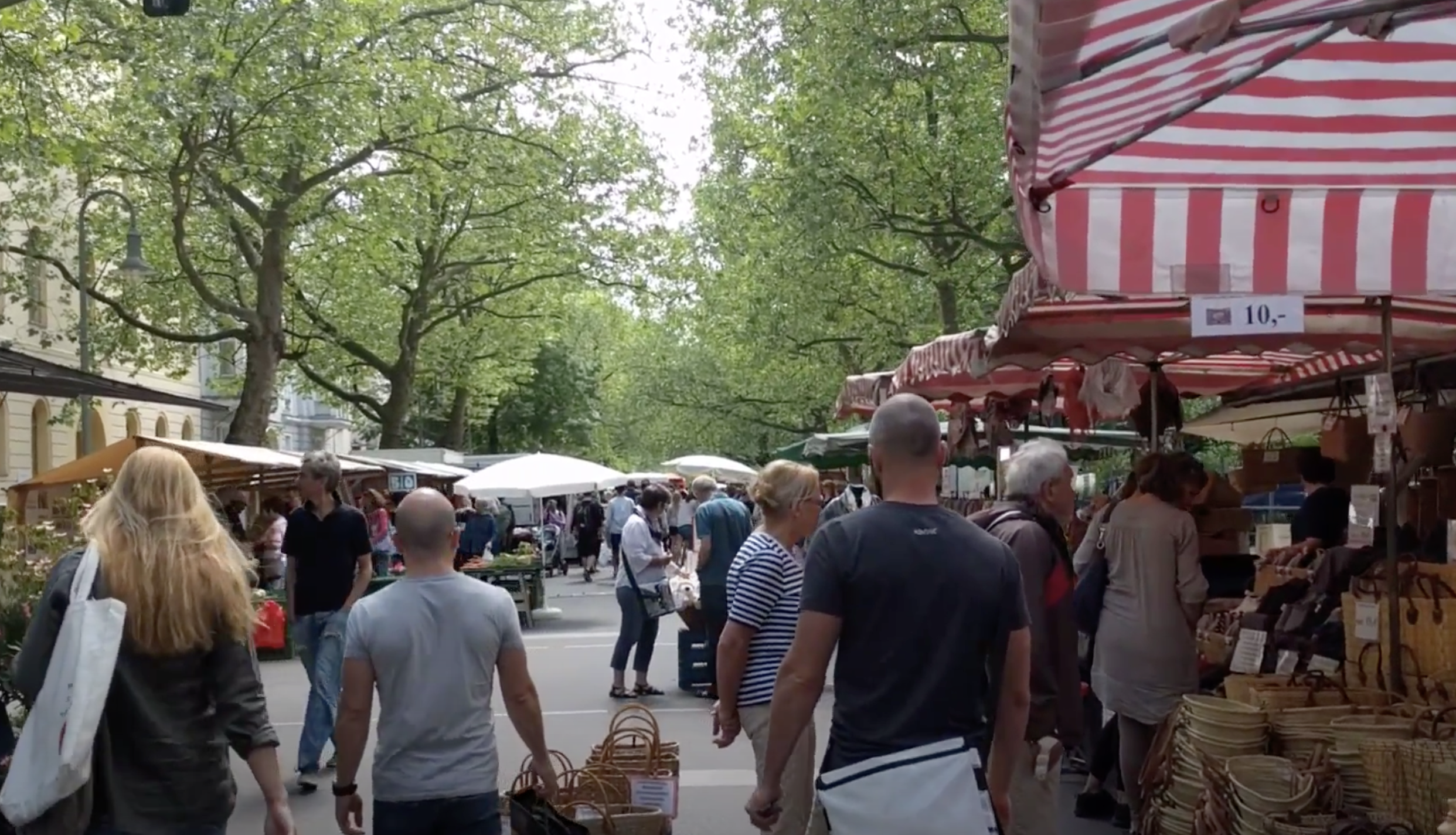
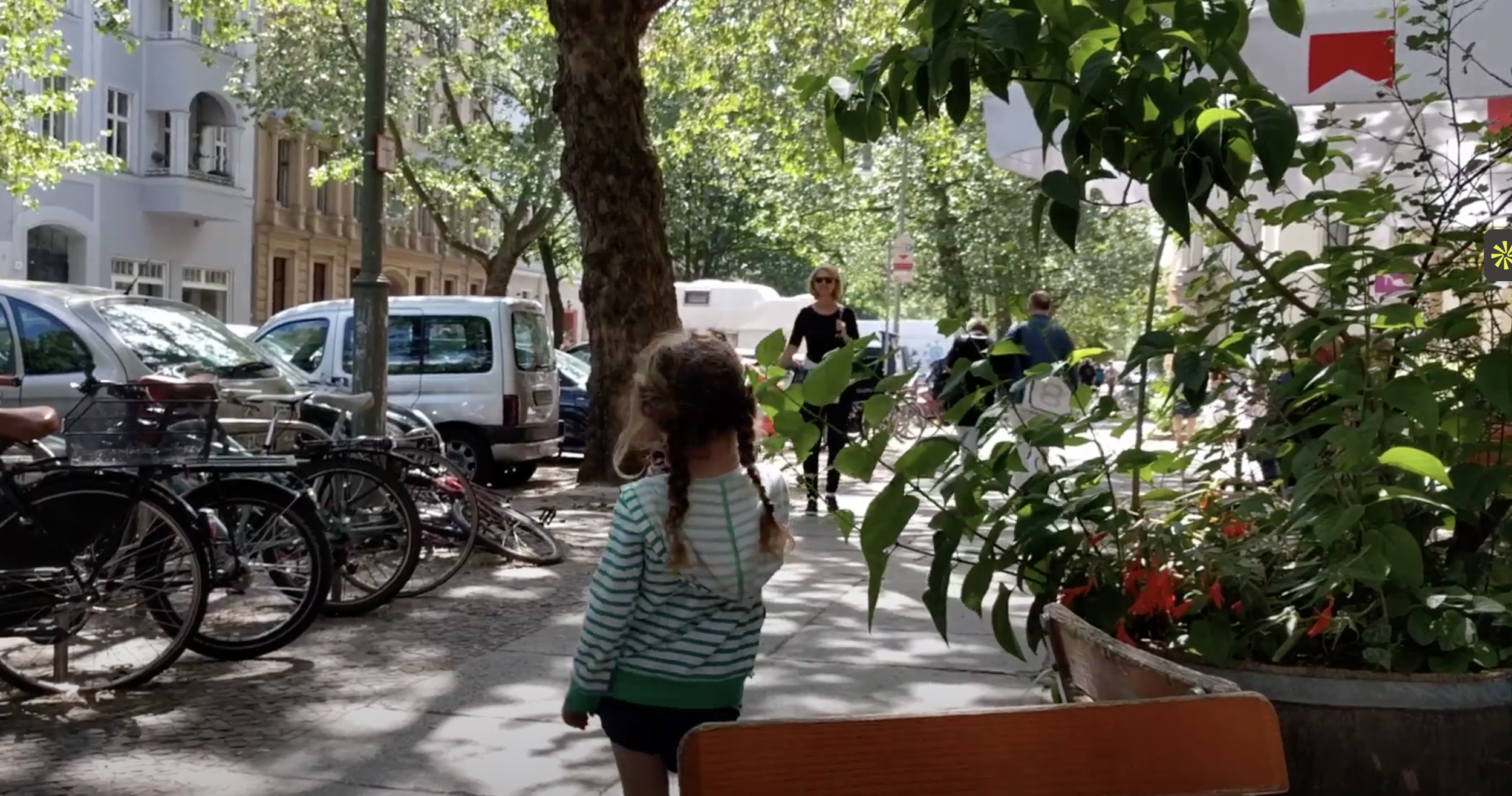
Berlin is a deeply walkable city, so daily life extended beyond the apartment walls. Markets were nearby. Streets felt safe. Errands were part of a rhythm rather than a chore.
What surprised me most wasn’t how manageable the space felt, it was how good it felt.
We felt grounded. Connected. Calm.
Scale, Proportion, and Psychological Comfort
The apartment worked because it was designed around human behavior, not square footage.
The living space was generous where it mattered, where we gathered, ate, talked, and spent time together. Private spaces were compact but comfortable. Circulation was intuitive.
Nothing felt oversized.
Nothing felt cramped.
Everything felt intentional.
That’s the essence of human-scale design: proportion that supports how people actually live, rather than how homes are often marketed.
Smaller Spaces, Lower Stress
Living in a right-sized home quietly reduces stress.
There are fewer decisions to make each day.
Fewer spaces to manage.
Less visual and mental clutter.
In Berlin, daily routines became simpler. Meals were easier. Tidying took minutes, not hours. The home supported life instead of demanding attention.
The calm didn’t come from minimalism as an aesthetic, it came from clarity.
How Human-Scale Homes Support Connection
Something else happened in that apartment: we spent more time together.
Shared spaces worked harder, so we used them more. Conversations happened naturally. There was no retreating to distant rooms or unused spaces.
And beyond the apartment, the neighborhood became an extension of our home. Walks, markets, cafés, and parks weren’t destinations, they were part of daily life.
Human-scale homes don’t just support connection inside the walls. They encourage it beyond them.
A Different Definition of Comfort
That month in Berlin challenged a lot of assumptions.
Comfort wasn’t about size.
Luxury wasn’t about excess.
Safety and belonging came from proximity, to each other and to the city around us.
When homes are designed at a human scale, they don’t ask us to fill them. They meet us where we are.
This experience continues to shape how I think about space, proportion, and what it really means to feel at home, especially as we consider new ways of designing and delivering housing that fits naturally into walkable, connected communities.
